

Hell Mode: The Hardcore Gamer Dominates in Another World with Garbage Balancing stands out for its heavy focus on grinding, strategy, and slow progression through a rigid leveling system. The story follows Allen, a protagonist who willingly chooses the hardest difficulty, forcing him to rely on patience and efficiency to grow stronger over time.
While that concept is appealing, especially for fans of game-like mechanics, Hell Mode often struggles with pacing and emotional engagement. Its methodical storytelling can feel repetitive, and its narrow focus on progression leaves little room for deeper character exploration. Because of that, several other anime deliver similar ideas with stronger execution, offering more compelling worlds, characters, and narratives.
That Time I Got Reincarnated as a Slime Features a More Engaging World

Rimuru Tempest represents a more balanced isekai protagonist compared to Allen. While both characters grow stronger over time, Rimuru’s journey is supported by a dynamic personality and meaningful relationships, making it easier for viewers to stay invested in his story.
Unlike Hell Mode, which focuses heavily on individual progression, this series builds a living, breathing world filled with different races, alliances, and political developments. The conflicts feel larger in scale, and the narrative constantly evolves beyond simple grinding mechanics, making the experience more varied and engaging.
Mushoku Tensei: Jobless Reincarnation Offers Better Story
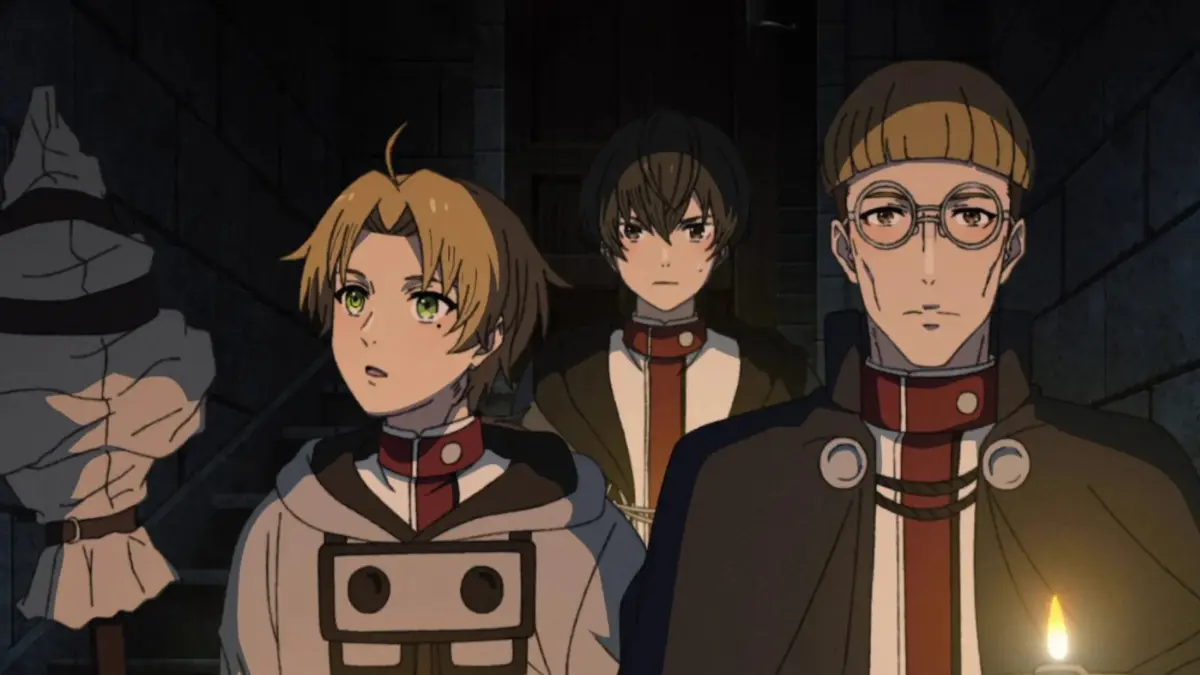
Mushoku Tensei: Jobless Reincarnation is often regarded as one of the most complete isekai stories. While Hell Mode emphasizes systems and progression, this series places a stronger focus on character development and emotional storytelling.
Rudeus Greyrat’s journey is defined by growth, mistakes, and redemption, giving the narrative far more depth. The world-building is also more immersive, with magic systems, cultures, and environments that feel interconnected. As a result, it delivers a richer and more compelling experience overall.

Solo Leveling Delivers Faster Progression
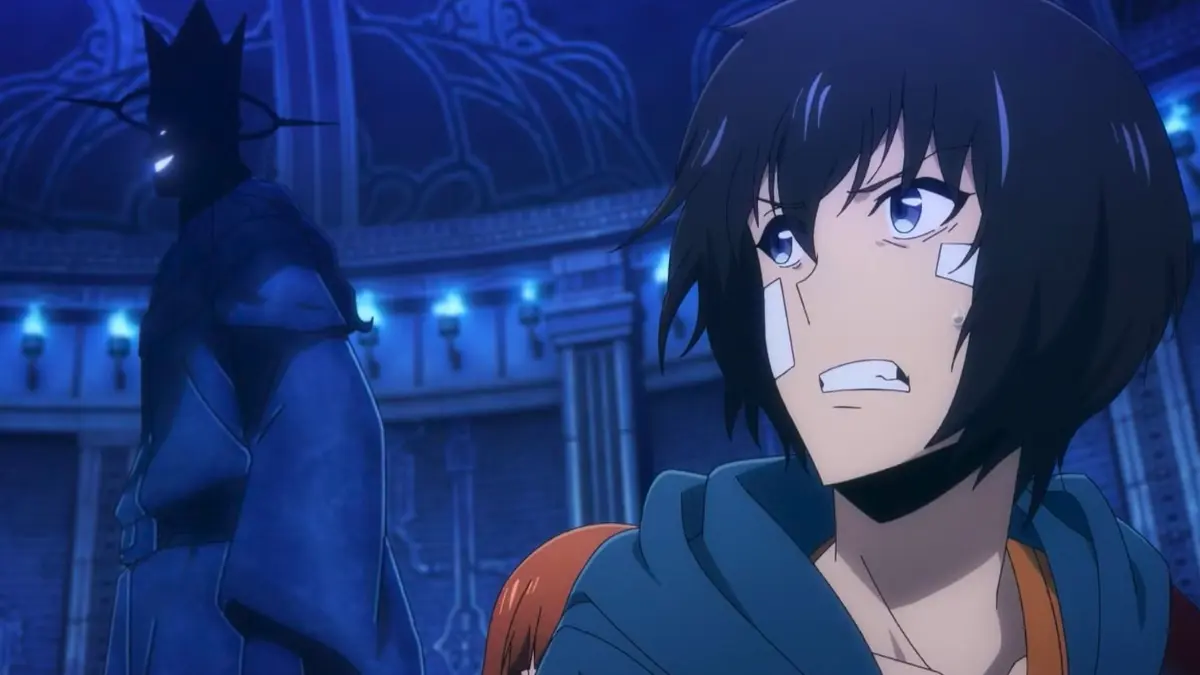
Both Hell Mode and Solo Leveling revolve around leveling systems, but their execution differs significantly. While Allen’s progression is slow and methodical, Sung Jin-Woo’s rise to power is fast-paced and visually driven.
The series emphasizes action and momentum, ensuring that each stage of growth feels impactful. Combined with high-quality animation and intense battles, Solo Leveling provides a more immediately engaging take on the progression-based concept.
Overlord Explores Power Differently

Instead of focusing on gradual growth, Overlord begins with a protagonist who is already overwhelmingly powerful. This shift allows the series to explore strategy, control, and moral ambiguity rather than simple progression.
Compared to Hell Mode, which centers on personal advancement, Overlord expands its scope to include political intrigue and large-scale conflicts. The darker tone and complex narrative make it a more layered and unpredictable story.
The Rising of the Shield Hero Has Stronger Character Arcs

Both series feature protagonists who start from a disadvantaged position, but The Rising of the Shield Hero places far greater emphasis on emotional storytelling. Naofumi’s struggles are tied to betrayal, trust, and personal growth, giving his journey more weight.
While Hell Mode focuses on efficiency and grinding, this series builds its narrative around relationships and character development, resulting in a more emotionally engaging experience.
Sword Art Online Provides Higher Stakes

Sword Art Online shares the game-world premise with Hell Mode, but its storytelling prioritizes urgency and tension. The life-or-death stakes create a sense of immediacy that keeps the narrative moving forward.
In contrast, Hell Mode often feels slower due to its emphasis on long-term progression. The faster pacing and emotional stakes in Sword Art Online make it a more accessible and exciting watch for a wider audience.
Log Horizon Focuses on Smarter World-Building

Log Horizon takes a thoughtful approach to game mechanics, similar to Hell Mode, but expands its focus beyond individual growth. It explores how players adapt to a new reality, forming societies, economies, and political systems.
This broader perspective gives the series a more sophisticated narrative. While Hell Mode remains centered on Allen’s personal journey, Log Horizon presents a more comprehensive and intellectually engaging take on life inside a game-like world.



Ren Akira is an anime news writer at AnimeBooth.com, reporting on anime release dates, movie announcements, official updates, and top anime recommendations. Specializing in isekai, fantasy, and seasonal anime, Ren delivers accurate, timely, and engaging news for anime fans around the world.